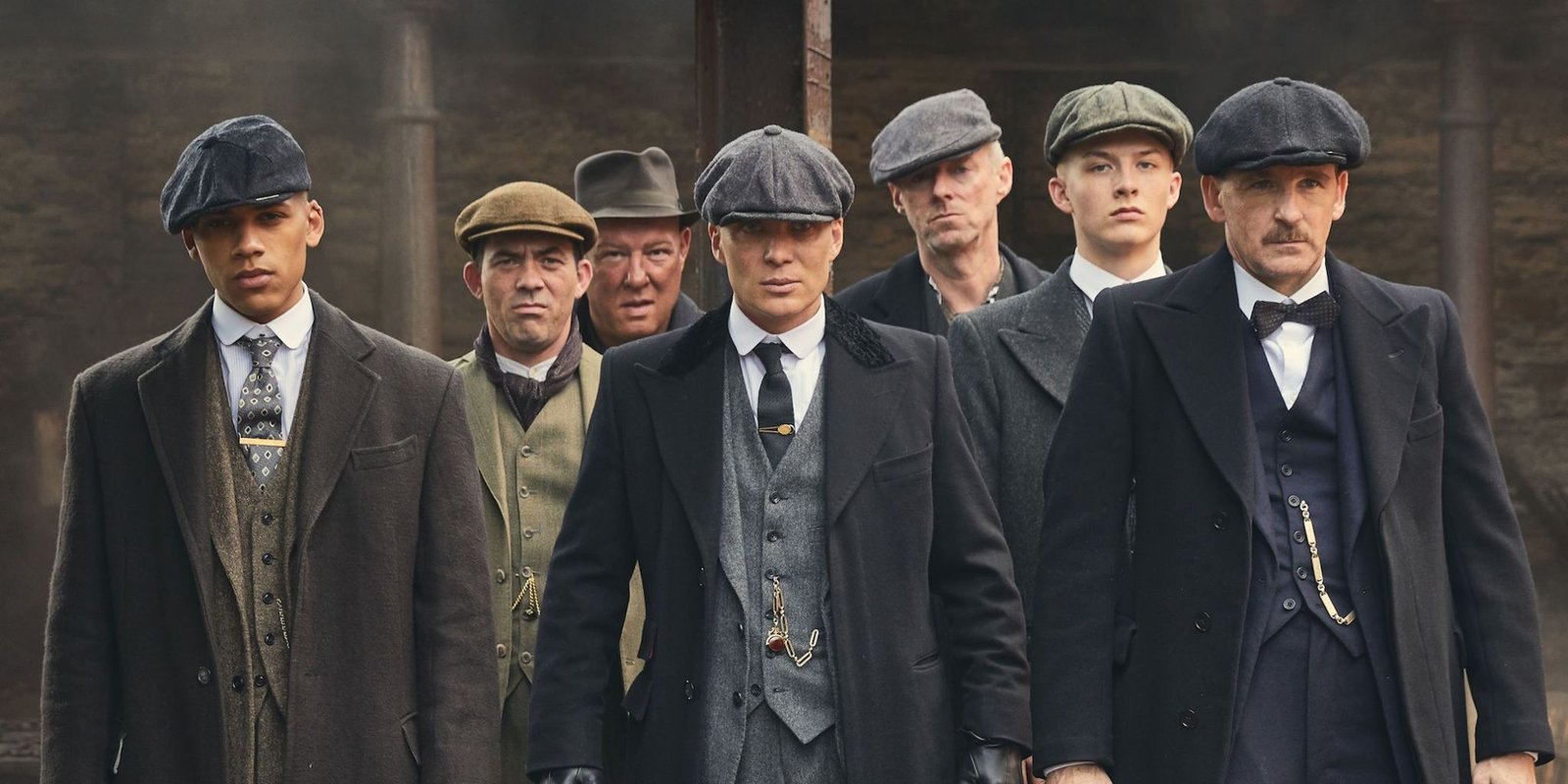
My love of Peaky Blinders and my long‑standing fascination with Guinness—going all the way back to working on the Rutger Hauer “All the Time in the World” commercial—led me to Steven Knight’s other opus, The House of Guinness. And as usual, I can’t watch anything rooted in history without immediately dissecting it… to the point of ruining the show.
Once you start digging, the real Guinness story is far more compelling than anything a prestige drama can stage. The series gives you mood, swagger, and family tension, but the truth is a dynasty that survived Ireland’s most violent centuries through calculation, timing, and a level of strategic neutrality that should be taught in political science classes.
The Guinnesses didn’t just brew stout. They built a dynasty before the storms hit. Arthur Guinness signed his 9,000‑year lease in 1759, long before rebellions, famine, or the Troubles. By the time Ireland erupted into the chaos of the 19th and 20th centuries, Guinness was already the largest brewery in the country and one of its biggest employers. That alone insulated them from the fate of other Ascendancy families who were swept away by history.
House of Guinness, of course, takes liberties. It’s good television, but not always good history. The portrayal of Arthur Guinness as a closeted, tortured figure is based on speculation, not evidence. The family feuds are dialed up for drama. The political entanglements are exaggerated. The real Guinnesses survived precisely because they avoided taking sides. They understood that in Ireland, the safest place is the middle of the road, even when the road is on fire.
Their real genius was adaptability. When Ireland shifted, they shifted with it. They supported Catholic Emancipation while remaining loyal to the Crown. They invested in Dublin when others retreated. They poured money into hospitals, housing, and churches, not purely out of charity but because philanthropy is the best armour a wealthy family can wear. When you rebuild St. Patrick’s Cathedral, people tend to overlook your Protestant pedigree.
They married strategically, often within the family (cousins), keeping wealth consolidated. They diversified into banking, land, and politics. And when the time came, they allowed the brewery to merge into what eventually became Diageo — a move that preserved their wealth through trusts rather than clinging to control. And here’s where the story intersects with another dynasty-level brand: Royal Lochnagar. Diageo treats Lochnagar the same way it treats Guinness today — as a jewel in the vault, tightly controlled, rarely showcased, and used strategically inside a global portfolio. Lochnagar’s spirit disappears into blends like Johnnie Walker Blue, just as the Guinness name disappears into Diageo’s corporate structure. Both remain culturally iconic, but neither is allowed to run its own destiny anymore.
Compared to other dynasties, the distinctions are sharp. The Rothschilds built a global financial empire and remain the wealthiest of the three. The Fords kept control of their company and remain a corporate dynasty. The Guinnesses took a third path: industrialists who became aristocrats, who then became cultural icons. Their power today is quieter, more social than financial, but no less real.
Is there a British dynasty that mirrors them? Only one truly fits the same hybrid mould: the Cadburys. Another family that built an empire, protected themselves through philanthropy, and became socially untouchable even after losing control of the original business. But even they don’t have the mythic weight of Guinness. No other British industrial family has become a symbol of national identity in the way Guinness has for Ireland.
That’s the part the show can’t fully capture. Guinness isn’t just a drink. It’s a dynasty that learned how to survive every upheaval Ireland threw at it. A family that understood the long game. A name that outlived empires, rebellions, and even its own company.
And that, more than any dramatized scandal, is the real story worth telling.
DYNASTIES