Category: Unleashed News

  • WE MARCH ONWARDS AND UPWARDS

    WE MARCH ONWARDS AND UPWARDS

    Fellow Spurs Supporters,

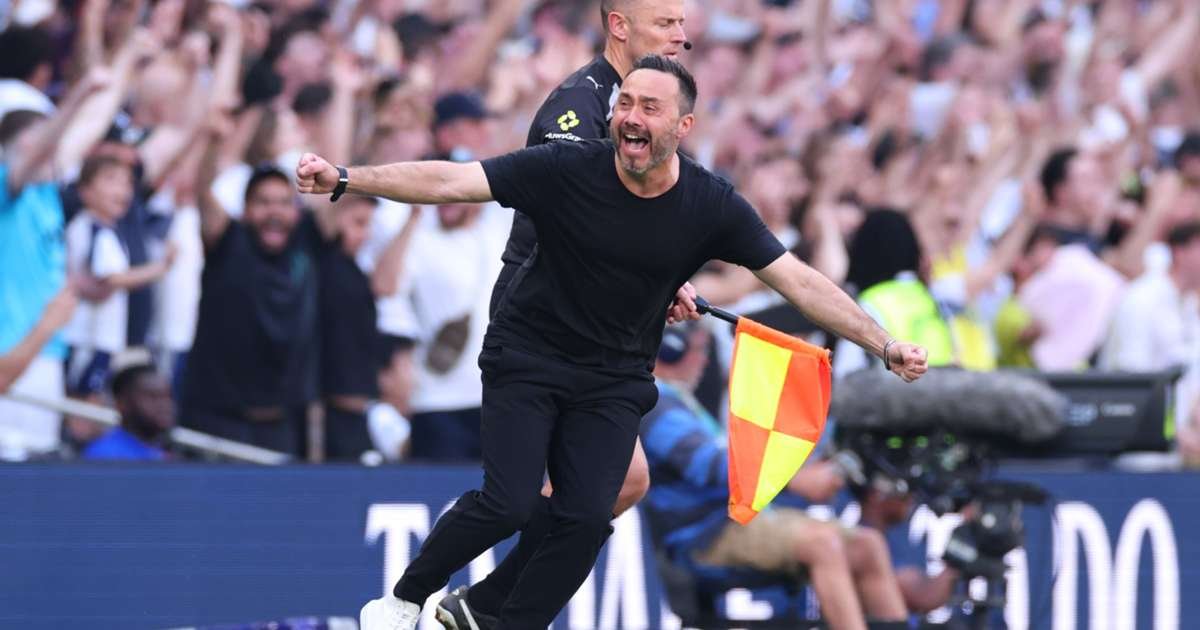
    Let’s get this out of the way immediately: we didn’t survive relegation because of luck, fate, or divine intervention. We survived because Roberto De Zerbi walked into a burning building he didn’t set fire to, took responsibility for a disaster he didn’t create, and dragged this club over the line with his bare hands. If that man wants to sprint onto the pitch and celebrate like he’s just won a cup final, he’s earned it ten times over.

    And for the people online whining about “standards” because Arsenal won the league — spare me. If your first instinct after survival is to obsess over what someone else is doing, that’s your problem. I don’t live my life through another club’s achievements. I care about my club, my supporters, and my happiness. If you want to be miserable, be miserable — but don’t expect the rest of us to join you.

    Let’s talk about the Everton moment, because apparently, some people need educating.

    Seeing De Zerbi run onto the pitch after beating Everton wasn’t “embarrassing.” It wasn’t “small time.” It wasn’t “cringe.” It was a man who had just secured £100–£120 million for this club, because that’s what relegation would have cost us. That’s the financial reality. That’s the scale of the job he completed.

    He didn’t just keep us up. He protected the future of this club — the academy, the women’s team, the rebuild, the stadium, the entire operation. He protected us.

    And before anyone starts rewriting history, let’s be clear: the players weren’t planning some triumphant lap of honor. And honestly, what did they have to celebrate? Two 17th‑place finishes? A season where we were hanging on by our fingernails? Of course, they weren’t going to parade around like champions.

    But you read the stadium.
    You read the moment.
    You thank the fans.

    Because 60,000 people showed up every single match, even when the football was dire, even when the mood was toxic, even when the season felt like a punishment. And yesterday, those supporters didn’t quit — and they didn’t let the team quit either.

    That’s why you stay on the pitch.
    Not for yourself.
    For them.

    And I’ll say this clearly: I was grateful they stayed.
    I was grateful they stood there and acknowledged us.
    Because I could see it in their faces — they never want to feel that way again.
    Same as us.

    Now, the chairman’s letter.

    Peter Charrington didn’t sugar‑coat anything. He admitted the truth:

    • Recruitment was poor.
    • Expertise was lacking.
    • Identity was lost.
    • Two 17th‑place finishes are unacceptable.
    • The club drifted from what Spurs are supposed to be.

    That’s not PR. That’s not spin. That’s a confession.

    But let’s be honest with ourselves: the regime is still the same. ENIC still owns the club. The ownership structure hasn’t changed. The people at the top are the same people who oversaw the drift in the first place.

    So yes — the words sound good. Yes — the letter hits the right notes. But talk is cheap. We’ve heard promises before. Supporters judge actions, not statements.

    And here’s another truth: Spurs have spent over $1 billion in the last five years. Money wasn’t the problem. Recruitment was.

    And while we’re talking about responsibility, let’s not pretend the chaos behind the scenes didn’t play its part. The number of managers we’ve hired, fired, paid off, and are probably still paying today is a joke. We’ve burned through coaches like scratch‑off tickets, and half of them are still on the payroll somewhere in the background. That’s not ambition — that’s incompetence dressed up as decisiveness.

    Now — let’s talk about what it actually means to be a supporter, because some people clearly need reminding.

    Being a supporter doesn’t mean showing up for cup finals and big games and then disappearing when things get rough. It means dragging yourself out of bed on a Sunday morning when you’re tired, hungover, fed up, or just sick of the world — and showing up anyway. It means standing with your club when it’s ugly, not just when it’s glamorous. It means being part of something bigger than your mood on any given day.

    Misery loves company — and that’s exactly why you show up. Because when you’re surrounded by fellow supporters, the misery becomes bearable, and the joy becomes unforgettable.

    You don’t get that from doomscrolling Twitter. You don’t get that from YouTube pundits who are bitter their careers didn’t go the way they imagined. You don’t get that from Men in Blazers, who wouldn’t know the club’s identity if it hit them in the face.

    And speaking of Men in Blazers — let’s address that circus.

    A “TV show” that isn’t even on real TV anymore, built entirely on controversy, satire, and whatever Spurs‑related punchline they can squeeze out of the week. Their entire brand depends on Spurs being “Spursy.” If that word disappeared tomorrow, they’d lose 70% of their material overnight.

    Let’s be honest about what they are:

    A comedy act dressed up as analysis. A parody show pretending to be journalism. A content factory that survives on exaggeration, caricature, and whatever will get the most clicks from casual fans who don’t know the club beyond memes.

    And yes — it was started by a Chelsea supporter (and an Everton one too; look up ‘second best in a city of two’ and you’ll see their badge). A club that was bought, not built, and still manages to be a circus even with all the money in the world. A club whose global fanbase exploded because it was fashionable, not because it was loyal. A club that has spent more money than almost anyone in football history and still manages to look like a case study in chaos.

    So forgive me if I don’t take lectures about “identity” or “standards” from a show built on satire and a fanbase built on convenience.

    Men in Blazers doesn’t define Spurs. NBC doesn’t define Spurs. TalkSport doesn’t define Spurs. Twitter doom merchants don’t define Spurs. YouTube pundits don’t define Spurs.

    Supporters define Spurs.

    People who show up. People who stand together. People who knew this club before the Premier League branding, before the global TV deals, before the hashtags and the memes. People who lived this club when it wasn’t fashionable, when it wasn’t global, when it wasn’t easy.

    And here’s the truth the pundits will never admit:

    Just because someone played football doesn’t make them more qualified to talk about this club than the supporters who have been here for fifty-plus years. Experience on the pitch doesn’t automatically translate to understanding the soul of a club. Some of the loudest voices in the media are loud because they’re bitter their careers didn’t go the way they imagined — not because they have anything meaningful to say.

    If you want to know what Spurs is, don’t listen to the talking heads. Don’t listen to the satire merchants. Don’t listen to the people who only show up when it’s fashionable.

    Listen to the supporters. The real ones. The ones who show up every week, no matter what.

    We hit rock bottom. We didn’t break. We didn’t fold. We didn’t disappear. We survived. And now we rebuild.

    If you want to wallow in misery, that’s your choice. But don’t drag the rest of us down with you.

    I’ll take a manager who celebrates survival with passion over a manager who pretends he’s above it. Because passion is the first sign of life. And for the first time in a long time, Spurs look alive.

    We move forward. Together. As supporters — the real kind.

    COYS

  • VAR! WHAT IS IT GOOD FOR? ABSOLUTELY NOTHING.

    VAR! WHAT IS IT GOOD FOR? ABSOLUTELY NOTHING.

    Football didn’t need VAR. Football needed better referees. Instead, we built a technological cathedral around the same timeworn human frailties and pretended it would magically fix them. It hasn’t. It has amplified them. It has exposed them. It has made them impossible to ignore. And now we’re left with a sport where assurance has evaporated, where every club outside the chosen few feels like they’re playing a different game, and where the officials look smaller and more terrified than ever.

    I’m not a football analyst. I don’t have access to proprietary models or secret databases. I assembled my stats the old way — reading, watching, checking, cross‑checking. And even with that, the patterns are impossible to miss. My teams have been hit with incorrect VAR decisions at the exact moments where win probability swings hardest. Spurs have had at least six incorrect VAR calls. Rangers have had eight. Spurs didn’t get a single penalty all season. Rangers have had match‑defining calls go against them at the worst possible times. Meanwhile, Celtic have scored ten league goals in 90+ minutes, including three penalties — a stoppage‑time miracle factory that defies statistical gravity. You don’t need to be an expert to see the imbalance. You just need eyes.

    But here’s the part that matters: this isn’t about my teams. I see weekly injustices—smaller clubs under forensic scrutiny while bigger clubs get the benefit of the doubt. Referees hesitate to make big calls early or deny big clubs late. VAR becomes a shield rather than a tool, and “not clear and obvious” becomes a force field for officials. The timing of decisions outweighs their number: a red card in the 8th minute is not the same as one in the 88th; a stoppage-time penalty is not the same as a first-half penalty. A disallowed goal in the 92nd minute can swing a match by fifty percent or more. Yet fan-made VAR tables, which score each decision as +1 or -1, ignore context, timing, probability, and impact—they ignore what really matters.

    And then you look at the bigger picture. VAR was supposed to improve standards. So, how do you explain a season with over thirty percent more errors? That’s not progress. That’s collapse. That’s the sport admitting, without saying it out loud, that the more technology you bolt onto a broken human system, the more broken the outcomes become. VAR doesn’t fix bad refereeing. VAR magnifies bad refereeing. VAR doesn’t remove subjectivity. VAR codifies subjectivity. VAR doesn’t eliminate bias. VAR institutionalizes bias. It’s the purest example of garbage in, garbage out.

    And the defenders of the system always say the same thing: “VAR isn’t supposed to re‑referee games.” Really? Then why are we watching officials rewind play through multiple phases, even after possession has changed hands? Why are we watching them spend five minutes looking for something that wasn’t clear or obvious to anyone in the stadium? Clear and obvious loses all meaning after thirty seconds, let alone five minutes. If you need six angles, freeze‑frames, zooms, redraws, and a committee discussion, then by definition, it is not clear and obvious. At that point, you’re not correcting an error. You’re rewriting the match.

    And the people running the sport don’t help themselves. They consistently place individuals in positions that are optically disastrous. It’s not even about who they support — it’s the fact that they never seem to understand how things look. They keep staffing the booth, the bunker, the replay room, and the behind‑the‑scenes decision points with people who, the moment you scratch the surface, make supporters roll their eyes. Not because they’re corrupt, but because the optics are so predictably terrible that you wonder if anyone in charge has ever watched a match from the stands. It’s the same disease that infects the media. Every weekend you turn on the broadcast, and it’s the same handful of pundits who support the same four clubs, all pretending they’re neutral while the rest of us sit there thinking, “Of course you see it that way — you always do.” The sport is saturated with voices that all come from the same places, played for the same teams, and carry the same biases, conscious or not. And then the governing bodies act shocked when fans don’t trust the decisions being performed behind closed doors by people who come from the exact same bubble.

    This becomes even harder to stomach when powerful clubs like Barcelona have breached ethical standards by exerting inappropriate influence over referees. Given such realities, it’s difficult to believe that similar issues can’t occur elsewhere. Patterns of selective decisions and lack of transparency fuel distrust—not just by suggesting possible corruption, but by underscoring the chaos and incompetence that are sufficient to destroy confidence on their own.

    This is why I’ve reached the point where I’d rather have an AI adjudicator. Not because AI is some instant fix — it would take years of training, refinement, and testing — but because it isn’t scared. It doesn’t know who the big club is or who sells shirts. It doesn’t care who grew up supporting whom, fear the crowd, the headlines, the backlash, or hide behind protocol. It doesn’t care about narratives. AI applies the rules. And right now, that’s more than we can say for the humans. The tragedy is that humans can’t handle the pressure. Not consistently. Not bravely. Not impartially. Not with the stakes this high.

    And now we turn to Hearts, who have had a genuinely great season — a season built on merit, consistency, and belief — and who now are on the verge of something phenomenal. They have the chance to do something that hasn’t been done since Fergie’s Aberdeen: take the title away from Glasgow. It should be a celebration of football. It should be a moment where the sport says, “Let the best team win.” But instead, here we are, asking the only question that matters in the VAR era: will they be allowed to win? Not can they. Will they be allowed to? That’s where we are now. That’s the state of the sport. That’s the indictment.

    And if anyone thinks this sounds bitter, here’s the test. Replace Spurs with your club. Replace Rangers with your club. Replace the late‑game swings, the timing of decisions, the selective interventions, the selective silence, the moments where the officials suddenly find their whistle or suddenly lose it — replace all of that with your club. If the story suddenly feels different, then congratulations — you’re one of the beneficiaries. But if your season looks like mine, if the patterns feel familiar, if the timing of decisions rings true, then you already know the truth: VAR isn’t fixing football. VAR is breaking it. And on Saturday, we’re all going to find out whether Hearts are allowed to win.

    Sporting integrity, eh?

    Sing it with me…

    VAR!
    What is it good for?
    Absolutely. Bloody. Nothing.

  • TIPPING: NOT A PLACE IN CHINA

    TIPPING: NOT A PLACE IN CHINA

    A Thank‑You, A Reality Check, and a Mild Threat from AngryWolf

    Before anything else:

    To everyone in the Entertainment Capital of the World who works in bars, restaurants, clubs, hotels, venues, and nightlife — thank you.

    You keep this city alive. You keep it running. You keep it fun.

    You do it with patience, professionalism, and corporate‑approved civility.

    I, on the other hand, bring a different perspective—always honest, occasionally blunt, and never scripted.

    No filter. No script. No “corporate tone.”

    Just the truth.

    Bars Pay for Everything — So Support Them

    Bars don’t stay open because people “love the vibe.”

    They stay open because people support:

    • The bar
    • The kitchen
    • The staff
    • The entertainment

    Every single thing you enjoy inside a bar costs money — their money.

    Those sports packages?

    Not $14.99.

    Not $29.99.

    Not “my cousin streams it for free.”

    Bars pay more than your mortgage to legally screen sports.

    And the ability to show 30 different events at once?

    That’s not magic or “just plug in a TV.”

    That’s a commercial setup that costs more than your car.

    So don’t bring your own food.

    Don’t sit outside with your illicit vodka like you’re starring in a low‑budget spy thriller.

    Don’t treat the bar like a free community center with beer taps.

    Look around at the shuttered businesses.

    That’s what happens when people “support local” with their mouths instead of their wallets.

    And let’s be honest:

    This isn’t a tourist problem. Locals are among the worst offenders. They just get too comfortable.

    Karaoke: My Sanctuary, Your Stage

    I don’t host karaoke for the tips.

    I host because my neurodivergent brain doesn’t do “small talk,” “mingling,” or “pretending to be nice.”

    It’s not an act.

    I just don’t have a brain that works that way.

    The booth is my sanctuary.

    My 80s DJ flashback.

    My safe place where I can bring joy to people without struggling through social gymnastics. A place where my friends can socialize without me having to try to be the host with the most.

    And let me be absolutely clear:

    I love imperfect singing.

    I live for it.

    The bravery it takes to step outside your comfort zone for four minutes?

    That’s the magic.

    That’s the point.

    That’s karaoke.

    No judgment.

    No gatekeeping.

    No “you must be this good to sing.”

    Karaoke is for everyone.

    Except me.

    My singing brings joy to absolutely no one — especially me.

    The Four‑Person Situation — A Perfect Example

    Here’s the scenario that sums it all up:

    Four people arrive at the start of my set.

    They each ordered one soft drink.

    They request sixteen songs.

    They stay the entire night.

    They leave without even a thank-you, let alone a tip.

    Now ask yourself:

    • How did that help the bar?
    • How did that help the staff?
    • How did that help the entertainer running a cohesive four‑hour show?

    It didn’t.

    They consumed time, attention, resources, and entertainment — and contributed nothing back. That is not how community works.

    This isn’t about me.

    This is about the ecosystem of a bar.

    If everyone behaved like that, the bar would close in a month.

    Cashless World, Cashless Excuses

    Nobody carries cash anymore.

    Fine.

    But guess what?

    Many bartenders and valet services now accept Zelle or Venmo.

    You can’t use “I don’t have cash” as an excuse when your phone is basically a portable ATM.

    Back in the UK, when beer was £1, I tipped £1 every time.

    Not because I was rich.

    Because it was the right thing to do.

    I’ve never understood the reluctance.

    Or the perceived injustice.

    Or sighing as if you were asked to donate a kidney.

    And yes — I don’t love automatic gratuity either.

    But it’s where we are now.

    You still have the option to raise it.

    You still have the option to speak up if the service wasn’t right.

    Using your voice doesn’t make you a Karen.

    Being passive‑aggressive does.

    The Bottom Line

    Tipping is not a place in China.

    It’s a nod.

    It’s a moment of recognition that the night didn’t run on fairy dust and your sparkling personality.

    So show your support — eat, drink, tip, and keep the lights burning in the places that make life worth living. Too many gaps already mark where laughter used to echo and good times used to breathe.

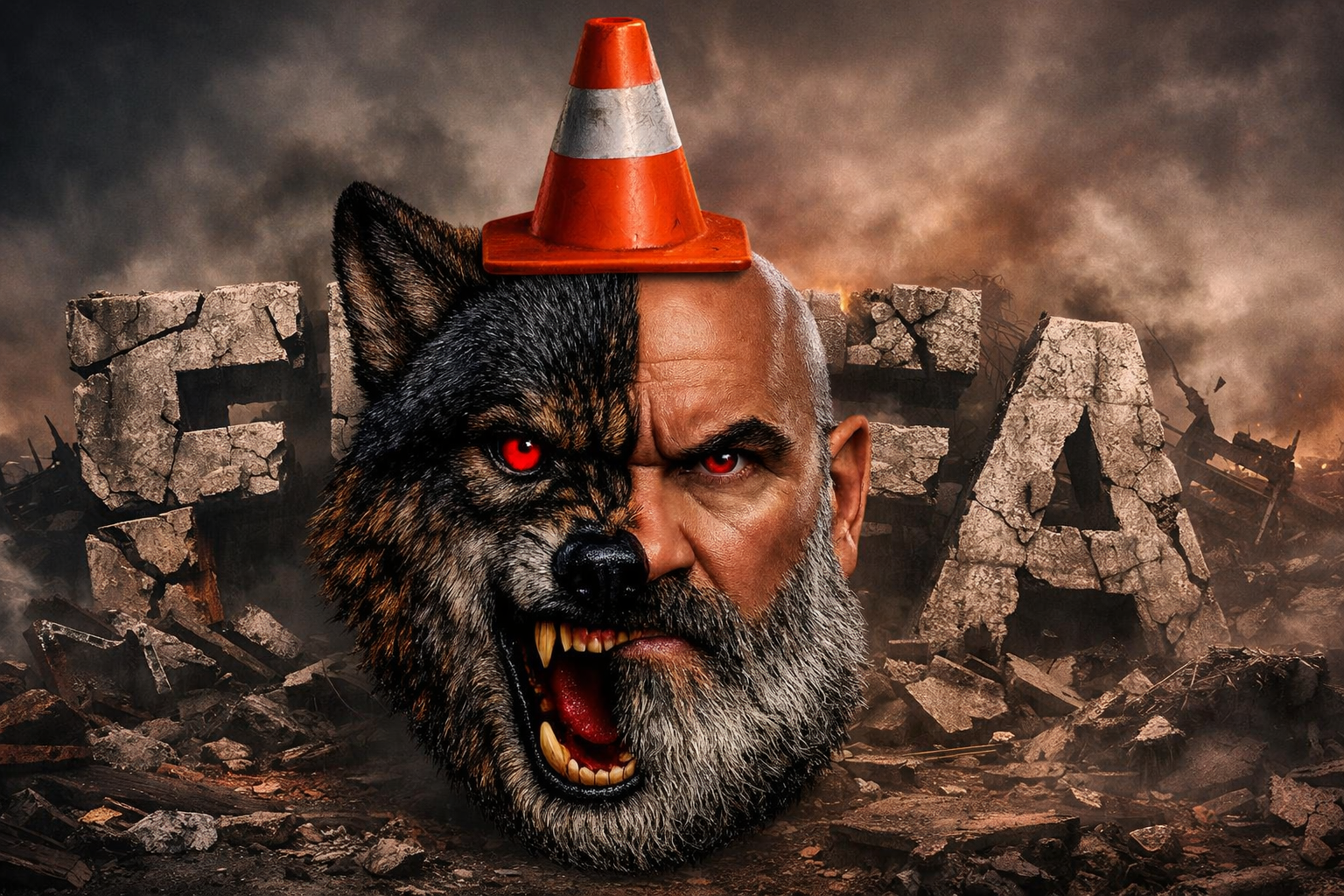
    AngryWolf

    Total Prick. Shit Singer. Your Champion.

  • THE SLOTHS DESERVED BETTER — AND WE’RE NOT LETTING THIS GO

    THE SLOTHS DESERVED BETTER — AND WE’RE NOT LETTING THIS GO

    I originally chose not to blog about this because I wasn’t confident that my small audience would make a difference. However, I’ve come to realize that every voice, no matter how small, needs to share this message. If even one more person who reads this joins us in our quest for change and justice, it will be worth it.

    There are stories you stumble into, and then there are stories that grab you by the throat and refuse to let go. This one chose me. I didn’t go looking for it. I didn’t wake up thinking, “Let me spend my free time unraveling a months‑long trail of dead sloths in Florida.”

    But then I realized something: this entire operation was about to open right in front of my Den.

    I watched the façade go up. I heard the rumors about animals being sourced from the wild. And while everyone else shrugged it off as “just another tourist trap,” something felt wrong. Deeply wrong.

    What we didn’t know — what none of us could have known — was that just down the road, in a warehouse with no electricity, no water, no oversight, sloths were dying. Not one or two. Dozens. Over and over again.

    And nobody said a word.

    Potential career damage? Be damned. Some things matter more.

    Neglect is murder. And I refuse to stand by while people pretend it’s anything else.

    What’s blown me away is how many people clearly feel the same way. Forget the signature count for a moment — look at the thousand-plus who shared the petition before they even signed it. Look at the people contacting local authorities. Look at the ones refusing to accept the canned “active investigation” line when what they really meant was:

    “We’re still deciding who should investigate the possibility of investigating.”

    People aren’t stupid. They see the loophole. They see how it allowed this to happen. And they see that it’s still wide open for it to happen again.

    A strip‑mall wild‑animal encounter. Who thinks this is a good idea? Who signs off on a permit for this? Who looks at a sloth — a fragile, temperature‑sensitive animal — and says, “Yes, let’s put that next to a nail salon and a vape shop.”

    This isn’t oversight. This isn’t regulation. This is negligence dressed up as paperwork.

    And we’re done pretending otherwise.

    THE ONLY ONES WHO DID ANYTHING RIGHT

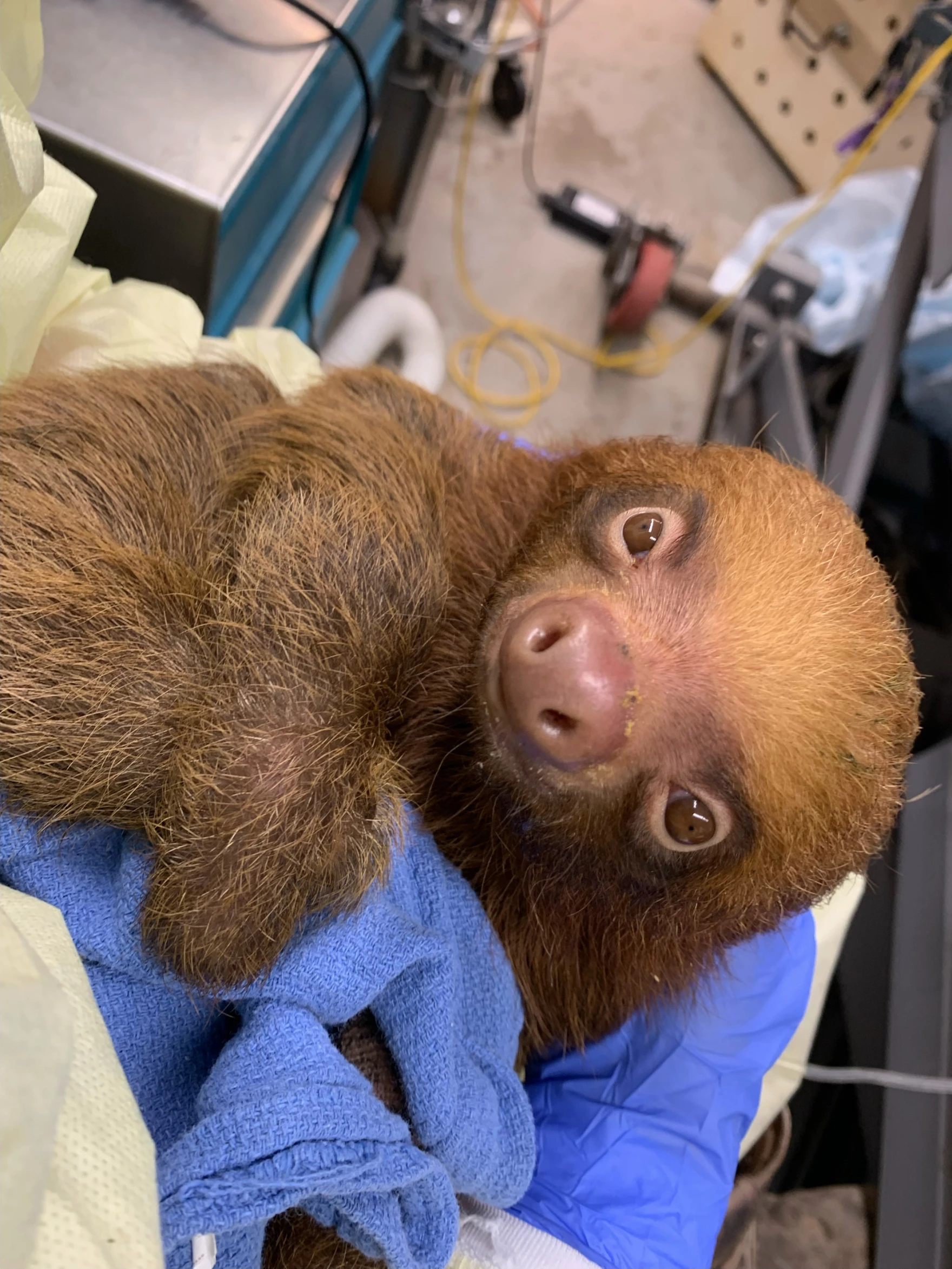
    While agencies contradicted each other and everyone else tried to disappear into the wallpaper, the Central Florida Zoo stepped in. They took the survivors. They treated the cold‑stun injuries, the dehydration, the malnutrition, the viral outbreak — all the damage done long before those animals ever reached their care.

    They didn’t cause this. They didn’t contribute to it. They’re the only ones who showed up.

    Bandit never made it to them. Habanero didn’t survive the outbreak. Dumpling’s body simply couldn’t recover from the damage done before he arrived.

    The rest are still fighting.

    OUR COMMITMENT

    We are still small, but we are mighty. We do not have the media behind us. We are not backed by any political agenda. We are simply people who refuse to look away.

    We will continue independently — not for views, not for clicks, but for justice, and for the truth that has been denied to these animals and to the public.

    Bandit, Habanero, and Dumpling will not be forgotten. Nor will any of the unnamed sloths who suffered and died.

    IF YOU WANT TO STAND WITH US

    Here is the petition — the one that started with a handful of voices and is now echoing far louder than anyone expected:

    👉 https://www.change.org/p/justice-for-the-sloths-do-not-let-bandit-die-in-vain

    We’re not done. Not even close. And if the people in charge won’t demand answers, then we will.

    Beware the Moon.

    The Wolf is watching.

  • FORGED IN THE UNION

    FORGED IN THE UNION

    May 1, 1707. The day Scotland and England collided and conjured the United Kingdom. Not a polite handshake, but a tectonic shift that still rattles the bones of anyone with a pulse. Tell me you don’t feel it. I do.

    And yes, Wales was already bound to England long before this day, so when England stepped into the union, Wales walked in with it.

    Ireland, though — that’s a different beast. King Billy may have taken the island in 1690, but constitutionally it remained its own kingdom until 1801. Northern Ireland didn’t even exist yet. History never gives you clean lines.

    I exist in that wild, ungovernable space between two truths… a borderland where identity refuses to pick a side.

    I am Scottish. Fiercely. Unapologetically. The kind of Scottish that doesn’t need a flag or a tartan to prove it.

    Not the watered‑down, tourist‑brochure Scottish.

    Not the biscuit‑tin caricature.

    Not “heritage‑Scottish,” as if ancestry is something you dust off for special occasions.

    Properly Scottish. It’s in my marrow, my voice, my Farquharson bloodline — and yes, in that tangled thread that runs all the way back to James VI of Scotland and I of England, the king who set the chessboard for this whole cosmic game.

    And yet…

    I’m British. Grateful for it, even if it sometimes feels like wearing two suits of armor at once.

    Grateful for the doors it kicked open, the stability it offered, the way it flung me into a world bigger than any glen or city block.

    Grateful for the life I’ve carved out far from Glasgow — but Glasgow never left me. It’s stitched into my shadow.

    That tension doesn’t dilute me. It forges me. I am the sum of every contradiction.

    But here’s the part I’ll never compromise on:

    Scotland didn’t just sign up for a union. Scotland helped invent the modern world. Let’s not pretend otherwise.

    Our inventions, our wild‑eyed thinkers, our engineers who bent reality — they shaped everything from medicine to industry to the way the world even speaks.

    The telephone. Television. Penicillin. The MRI scanner. The bicycle. The pneumatic tire. Color photography. Fingerprinting. Refrigeration. The ATM. Scotland’s fingerprints are all over the blueprints of civilization.

    Scotland’s imagination is stitched into the fabric of the universe. Try escaping it. You won’t.

    And it should stay there — everywhere, always — like a stubborn ghost haunting progress.

    So on Union Day, I don’t toast to one nation swallowing another. That’s not the story.

    I celebrate the fact that four nations — each burning with their own fire, their own stubborn brilliance — collided and rewrote history’s script.

    Today, I raise a glass (or three) to:

    • Scotland’s innovation and resilience
    • England’s tradition and influence
    • Wales’ spirit and culture
    • Northern Ireland’s heritage and strength
    • And the millions across the world who carry these identities with pride

    Union Day isn’t about perfection. It’s about the journey — the glorious, messy, infuriating, impossible journey that forged us in the first place. Who wants easy anyway?

    Happy Union Day.

    May 1st… the day our histories collided, fused, and rewrote the script of the modern world.
    Are you jealous yet?